
Home Improvement
acryldach: Modern Roofing with Light and Strength DesignsPro

Introduction
Architecture has always been a balance between protection and openness. We want shelter from rain, wind, and snow, yet we also crave light, warmth, and a sense of connection with the outdoors. In recent decades, one material has quietly transformed that balance in homes, commercial buildings, greenhouses, patios, and industrial structures: the acryldach. It represents more than just a roofing option. It embodies a shift in how we think about space, transparency, and durability.
From sun-drenched conservatories to sleek terrace covers, the acryldach has become a defining feature of contemporary design. Its appeal lies not only in its glass-like clarity but also in its resilience and versatility. Unlike traditional roofing materials that prioritize opacity and heaviness, this solution invites daylight while standing strong against environmental stress.
Understanding why this material has gained such popularity requires a closer look at its composition, performance, and long-term value. When examined carefully, the acryldach emerges as a thoughtful engineering solution that bridges aesthetics and practicality in ways few other materials can.
What Is acryldach
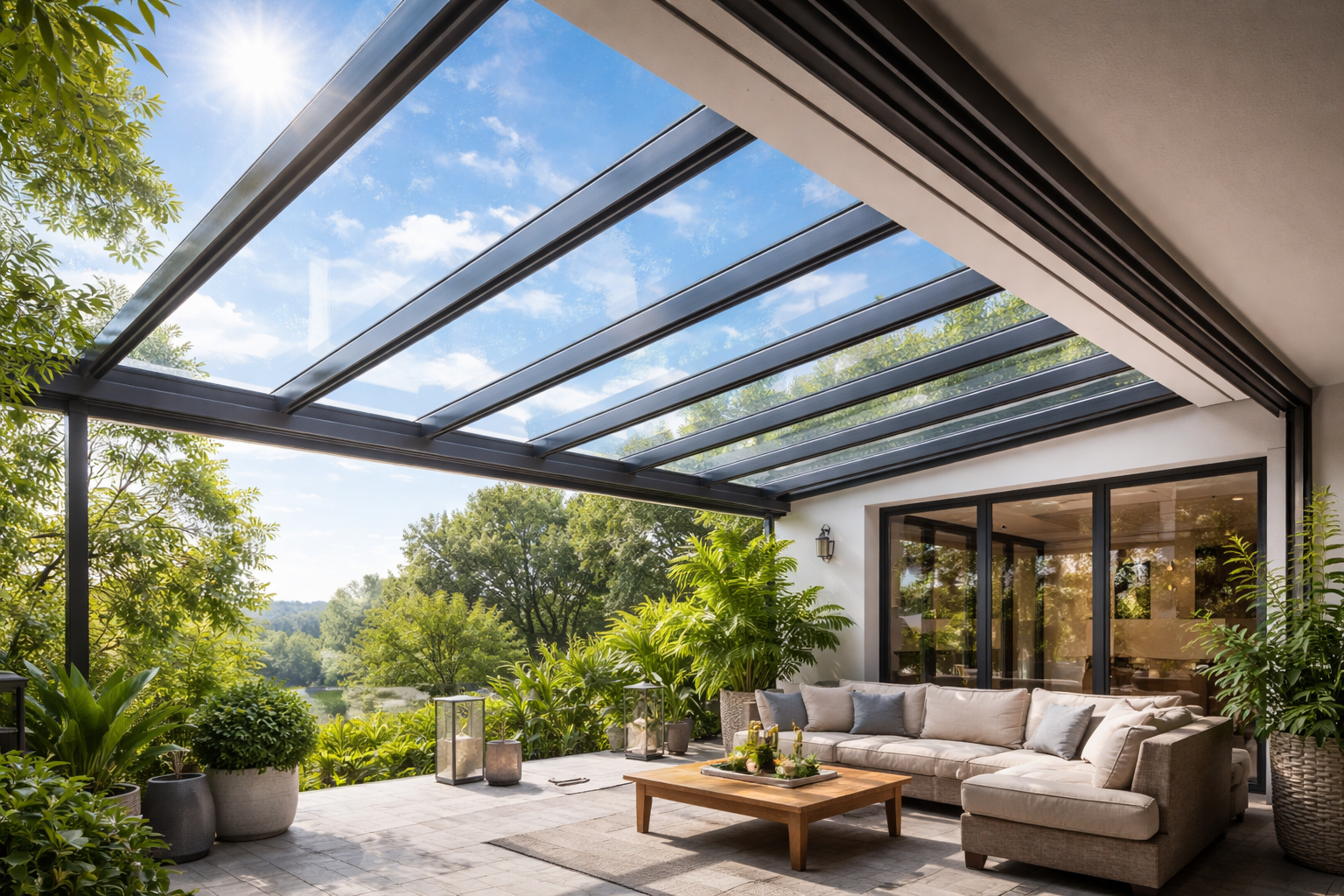
An acryldach is a roofing system constructed primarily from acrylic panels, typically made of polymethyl methacrylate, commonly known as PMMA. Acrylic is a transparent thermoplastic often used as a lightweight and shatter-resistant alternative to glass. In roofing applications, it is formed into sheets, corrugated panels, or multi-wall structures that provide both strength and light transmission.
READ MORE: wachappe: The Messaging App That Changed Lives Globally Now
The defining feature of an acryldach is its ability to allow natural light to pass through while still offering protection from weather. Unlike standard glass roofs, acrylic panels are significantly lighter and more impact-resistant. This makes them easier to install and less likely to crack under stress from hail or falling debris.
In many installations, the panels are mounted on aluminum or steel framing systems designed to ensure stability and proper drainage. Modern versions often include UV-resistant coatings, thermal insulation features, and anti-condensation treatments. The result is a roofing solution that combines transparency, resilience, and energy efficiency.
While the concept may seem straightforward, the engineering behind a high-quality acryldach is anything but simple. Manufacturers must carefully control thickness, structural integrity, and surface treatments to ensure long-term performance under varying climate conditions.
The Evolution of Acrylic Roofing Technology
The rise of the acryldach did not happen overnight. Acrylic as a material was first developed in the early twentieth century and gained prominence during World War II as a substitute for glass in aircraft windows due to its lightweight strength. Over time, its properties were refined, and it became a common feature in skylights and architectural glazing.
As construction trends moved toward open, light-filled spaces, designers began exploring acrylic for broader roofing applications. Improvements in extrusion and molding technologies allowed manufacturers to create corrugated and multi-layered sheets with enhanced structural performance.
Modern acryldach systems now incorporate advanced UV stabilization to prevent yellowing and brittleness. Early acrylic panels were prone to discoloration after prolonged sun exposure, but contemporary formulations can maintain clarity for decades. Thermal expansion, once a significant design challenge, is now carefully managed through improved installation systems that allow for natural movement without compromising structural integrity.
This evolution reflects a broader shift in architecture toward materials that are both expressive and functional. The acryldach fits seamlessly into this philosophy, offering transparency without sacrificing strength.
Structural Performance and Durability
One of the most compelling arguments for choosing an acryldach lies in its durability. Acrylic is naturally resistant to impact, making it far less likely to shatter compared to traditional glass. In regions prone to hailstorms or falling branches, this resilience becomes a critical advantage.
The material also performs well under temperature fluctuations. Although acrylic expands and contracts more than some traditional materials, properly engineered mounting systems accommodate this movement. When installed correctly, the roofing remains stable and secure through seasonal changes.
Weather resistance is another defining quality. A well-designed acryldach can withstand heavy rainfall, snow loads, and strong winds. The panels are typically shaped to promote efficient water runoff, reducing the risk of pooling and structural stress.
Long-term durability depends heavily on UV protection. Quality acrylic roofing includes surface treatments that block harmful ultraviolet rays, preventing degradation and maintaining transparency. This ensures that the roof retains both its structural integrity and aesthetic appeal over time.
Light Transmission and Interior Ambience
Perhaps the most transformative aspect of an acryldach is its ability to redefine interior environments. Natural light has a profound psychological and physiological impact. It enhances mood, reduces reliance on artificial lighting, and creates a sense of openness.
Acrylic panels can transmit a significant percentage of daylight, often exceeding that of standard glass in certain configurations. At the same time, manufacturers can adjust opacity levels to diffuse harsh sunlight, reducing glare and overheating.
In residential settings, this balance creates inviting terraces, winter gardens, and patio extensions that feel connected to the outdoors without being exposed to the elements. In commercial spaces, it fosters bright, productive environments that reduce energy consumption during daylight hours.
The interplay of light and structure in an acryldach installation often becomes an architectural statement in itself. Sunlight filtering through patterned or corrugated panels can create dynamic shadows and visual interest throughout the day.
Thermal Insulation and Energy Considerations
Energy efficiency has become a central concern in modern construction. An acryldach can contribute positively to thermal performance, particularly when multi-wall or insulated panels are used.
Multi-layer acrylic sheets contain internal air chambers that act as insulating barriers. These structures help regulate interior temperatures by reducing heat loss in winter and limiting excessive heat gain in summer. In some cases, specialized coatings reflect infrared radiation while allowing visible light to pass through.
The result is a roofing solution that supports energy-conscious design. When integrated into well-planned structures, it can reduce heating and lighting costs. However, achieving optimal performance requires thoughtful design, including adequate ventilation and shading strategies.
It is important to note that insulation properties vary depending on panel thickness and construction. Not all acryldach systems offer the same thermal benefits, which underscores the importance of selecting products tailored to specific climate conditions.
Design Versatility and Architectural Freedom
Architectural creativity thrives on flexibility, and the acryldach offers remarkable design freedom. Acrylic panels can be manufactured in various shapes, colors, and textures. Clear, tinted, frosted, or patterned options allow designers to customize both aesthetics and functionality.
Curved installations are particularly notable. Acrylic’s formability enables the creation of arched or domed structures that would be more complex or costly with glass. This has led to innovative applications in atriums, covered walkways, and modern residential extensions.
The lightweight nature of the material also reduces structural demands on supporting frameworks. This can open possibilities in renovation projects where heavier roofing materials would require significant reinforcement.
Beyond appearance, the modular nature of many acryldach systems simplifies expansion or modification. Panels can be replaced individually if damaged, and extensions can often be added without major reconstruction.
Maintenance and Longevity
Proper maintenance ensures that an acryldach remains functional and visually appealing for decades. Fortunately, acrylic surfaces are relatively easy to clean. Mild soap solutions and soft cloths are typically sufficient to remove dirt and debris.
However, abrasive cleaners and harsh chemicals should be avoided, as they can scratch or cloud the surface. Regular inspection of seals and mounting components helps prevent leaks and structural issues.
Over time, minor surface scratches may occur, especially in high-debris environments. Many acrylic panels can be polished to restore clarity, extending their aesthetic lifespan.
Longevity ultimately depends on material quality and installation standards. A professionally installed acryldach made from high-grade acrylic can last twenty years or more with minimal degradation.
Environmental Impact and Sustainability
Sustainability discussions often focus on material sourcing and lifecycle impact. Acrylic is a petroleum-based product, which raises valid environmental considerations. However, its durability and energy-saving potential can offset some of these concerns.
Because an acryldach allows abundant natural light, it can reduce daytime electricity consumption. Insulated variants can also contribute to lower heating demands.
Recycling options for acrylic have improved in recent years, though they remain more limited compared to some traditional building materials. Responsible disposal and recycling initiatives are becoming increasingly important as usage expands.
The long lifespan of the material is itself a sustainability factor. A roof that lasts decades without frequent replacement reduces resource consumption and waste over time.
Comparing Acrylic Roofing with Alternative Materials
When evaluating roofing options, it is helpful to compare acrylic with alternatives such as glass and polycarbonate. Glass offers exceptional clarity and scratch resistance but is heavier and more fragile. Polycarbonate is highly impact-resistant but can be more prone to surface scratching and may yellow over time if not properly treated.
An acryldach occupies a middle ground. It provides superior optical clarity compared to many plastics and better impact resistance than glass. This balance has made it a preferred choice for many applications where both transparency and durability are essential.
Cost considerations also play a role. Acrylic roofing systems often offer competitive pricing relative to glass installations, especially when structural support requirements are factored in.
Common Applications and Real-World Uses
The versatility of the acryldach has led to widespread adoption across different sectors. Residential patios and garden rooms frequently incorporate acrylic roofing to create sheltered outdoor living areas. Greenhouses rely on its light transmission properties to support plant growth.
In commercial settings, it appears in shopping center skylights, bus shelters, industrial warehouses, and sports facilities. Its ability to combine protection with visibility makes it particularly valuable in public spaces.
Urban environments have also embraced acrylic roofing in modern architectural projects that emphasize transparency and light. The material’s adaptability allows it to meet diverse functional and aesthetic requirements.
Installation Considerations and Professional Expertise
While the concept of installing acrylic panels may seem straightforward, achieving long-term performance requires professional expertise. Proper spacing for thermal expansion is critical. Inadequate allowances can lead to warping or cracking over time.
Sealing systems must be carefully designed to prevent water infiltration while accommodating natural material movement. Fasteners and support structures must be compatible with acrylic to avoid stress points.
Professional installers understand these nuances and can tailor solutions to specific structural and climatic conditions. Investing in expert installation significantly enhances the longevity and reliability of an acryldach system.
READ MORE: The Power Behind startup booted fundraising strategy
Conclusion
The acryldach represents a thoughtful convergence of engineering innovation and architectural ambition. It challenges the traditional notion of a roof as a purely protective barrier and reimagines it as a dynamic interface between interior and exterior spaces.
Its strength lies not only in its physical properties but in its ability to shape environments filled with light and openness. When properly designed and installed, it offers durability, energy efficiency, and aesthetic versatility that few materials can match.
As construction continues to evolve toward lighter, more transparent designs, the relevance of the acryldach is likely to grow. It stands as a testament to how material science can transform everyday structures into luminous, resilient spaces that enhance both comfort and creativity.
FAQs
What makes an acryldach different from a glass roof?
An acryldach uses acrylic panels instead of glass. Acrylic is lighter, more impact-resistant, and less likely to shatter. While glass offers excellent scratch resistance, acrylic provides a better balance of durability and weight for many applications.
How long does an acryldach typically last?
A high-quality acryldach can last twenty years or more when properly installed and maintained. UV-resistant coatings and correct installation play key roles in ensuring long-term performance.
Is an acryldach suitable for all climates?
Yes, but the design must match the climate. Insulated multi-wall panels are better for colder regions, while proper ventilation and shading help in hotter climates. Professional planning ensures optimal performance.
Does an acryldach require special maintenance?
Maintenance is relatively simple. Regular cleaning with mild soap and water, along with periodic inspection of seals and fasteners, is usually sufficient to maintain clarity and structural integrity.
Can an acryldach improve energy efficiency?
It can contribute positively by allowing natural daylight to reduce artificial lighting needs. Insulated versions also help regulate temperature, potentially lowering heating and cooling demands.
Introduction
A markiseteppe is more than just fabric stretched over a frame—it’s a quiet upgrade to everyday outdoor living. Whether shading a sunny patio, protecting café guests from light rain, or adding visual warmth to a balcony, the right markiseteppe changes how a space feels and functions. In the first few minutes of choosing one, people usually think about color or price. What they often miss is how deeply the material, weave, and finish affect comfort, durability, and long-term satisfaction.
In this guide, you’ll learn what a markiseteppe truly is, how it works in different environments, why material choice matters, and how to select one that fits both practical needs and personal style. By the end, you’ll understand how this simple textile plays a surprisingly big role in outdoor comfort, aesthetics, and everyday usability.
Quick Bio
| Detail | Information |
|---|---|
| Common Name | Markiseteppe |
| Category | Outdoor awning fabric |
| First Known Use | Ancient awnings used in Roman era (circa 1st century BCE) |
| Modern Fabric Development | Acrylic awning fabrics popularized in the 1950s |
| Primary Materials | Solution-dyed acrylic, polyester, PVC-coated fabrics |
| Typical Lifespan | 8–15 years with proper care |
| Main Purpose | Sun shading, light rain protection, outdoor comfort |
| Climate Suitability | Temperate, Mediterranean, coastal, and urban climates |
| Maintenance Level | Low to moderate |
What a Markiseteppe Really Is
A markiseteppe is the textile component of an awning system. While frames and mechanics handle movement and support, the fabric does the real work. It filters sunlight, blocks harmful UV rays, reduces heat, and creates a visually inviting outdoor zone.
READ MORE: Suçculent Plants Explained: Care, Meaning, and Uses
Unlike indoor textiles, this fabric must survive constant exposure to sunlight, moisture, wind, and pollution. That’s why markiseteppe materials are engineered differently from regular cloth. They’re tightly woven, color-stable, and treated to resist mold and fading.
Think of a markiseteppe as outdoor clothing for your building. Just as a good jacket balances breathability and protection, a quality awning fabric balances shade, airflow, and durability.
Why Markiseteppe Matters in Everyday Life
Many people underestimate how much outdoor comfort affects daily routines. A shaded terrace can turn unused space into a favorite morning coffee spot. A storefront awning can make customers linger longer. Homes, cafés, and offices all benefit from controlled sunlight and reduced glare.
A markiseteppe also protects interiors. By blocking direct sun, it helps prevent furniture fading and reduces indoor heat buildup. Over time, this small barrier contributes to a more pleasant indoor climate and less reliance on artificial cooling.
Emotionally, shaded spaces feel calmer. Humans naturally seek shelter from harsh light, and a well-chosen awning fabric creates that sense of ease without closing off the outdoors.
Materials Used in a Modern Markiseteppe
Acrylic Fabrics and Their Advantages
Solution-dyed acrylic is widely considered the gold standard for markiseteppe production. The color is added during fiber creation, not afterward. This means the pigment becomes part of the fiber itself, making it highly resistant to fading.
Acrylic fabrics breathe well, allowing hot air to escape rather than trapping it underneath. This results in cooler shaded areas, even during peak summer. They also resist mildew better than many alternatives, making them ideal for humid or coastal regions.
Polyester and PVC-Coated Options
Polyester-based fabrics are often more affordable and lighter in weight. When coated with PVC, they become highly water-resistant and easy to clean. These materials are common in commercial settings where durability and low maintenance matter most.
However, coated fabrics can trap heat more than acrylic. In very warm climates, this can reduce comfort underneath the awning. The choice often comes down to balancing budget, climate, and intended use.
Design, Color, and Visual Impact
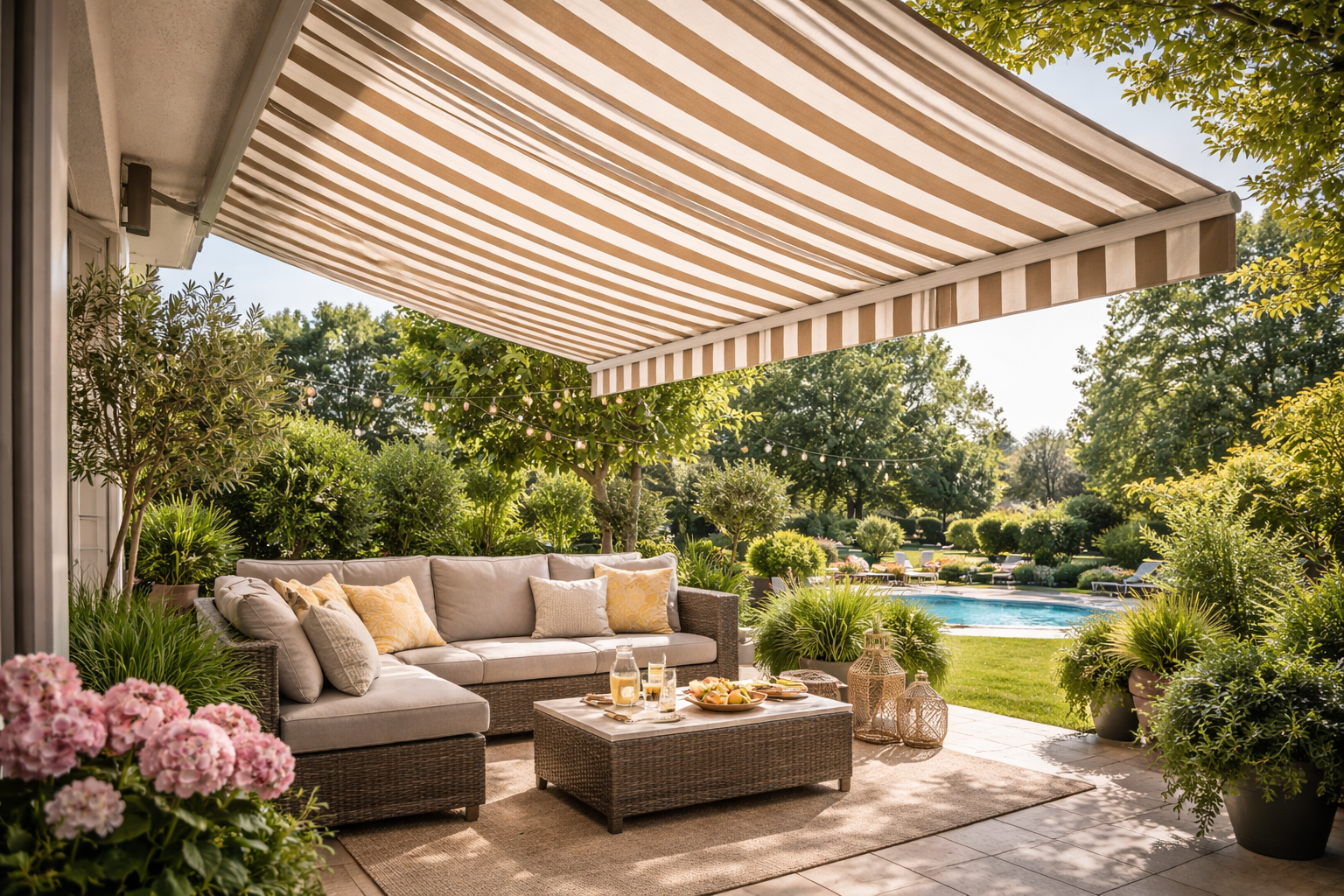
A markiseteppe is part of a building’s personality. Stripes, solids, and subtle textures all communicate different moods. Classic striped designs often evoke European café culture, while solid neutral tones feel modern and minimal.
Color choice affects more than appearance. Lighter shades reflect more sunlight and keep areas cooler, while darker colors block more light but absorb heat. Many people choose mid-tone fabrics that balance brightness and shade.
Patterns also help hide dirt and minor stains, especially in urban environments. A thoughtfully chosen design can look fresh for years with minimal upkeep.
Markiseteppe in Residential Spaces
In homes, a markiseteppe often becomes part of daily rituals. Morning breakfasts move outdoors. Afternoons become cooler and quieter. Evenings feel more intimate under soft shade.
Homeowners frequently choose retractable awnings with durable fabrics that adapt to changing weather. When retracted, the fabric stays protected. When extended, it creates instant outdoor comfort.
Over time, families notice that shaded spaces get used more often. The markiseteppe doesn’t just protect space—it invites people into it.
Commercial Uses and Business Value
For cafés, restaurants, and retail spaces, a markiseteppe is both functional and symbolic. It signals welcome, creates visibility, and defines outdoor seating areas. Customers instinctively gravitate toward shaded tables on sunny days.
Commercial-grade fabrics are designed for frequent use and exposure. Many businesses choose brands like Sunbrella for their proven color stability and strength. A consistent awning appearance also reinforces brand identity without overwhelming signage.
Climate Considerations When Choosing a Markiseteppe
Climate plays a major role in fabric selection. In sunny, dry regions, UV resistance and heat reflection matter most. In rainy or coastal areas, moisture resistance and mold prevention take priority.
Wind exposure also matters. Heavier fabrics handle gusts better but require stronger frames. Lightweight fabrics retract easily but may wear faster in harsh conditions.
Understanding local weather patterns helps prevent premature wear and ensures the markiseteppe performs as expected year after year.
Installation and Fit: More Than Just Measurements
Even the best fabric won’t perform well if poorly installed. Proper tension ensures the markiseteppe sheds water and resists sagging. Correct angles improve shade coverage throughout the day.
Professional installation also protects the fabric from uneven stress, which can lead to early tearing or distortion. While DIY setups are tempting, long-term performance usually benefits from expert fitting.
A well-installed awning feels effortless. It opens smoothly, sits evenly, and blends naturally with the building’s lines.
Care, Cleaning, and Long-Term Maintenance
A markiseteppe doesn’t demand constant attention, but simple habits extend its life. Regularly brushing off dust and debris prevents particles from embedding in the weave. Occasional gentle washing removes pollutants before they cause discoloration.
Most modern fabrics are treated to resist mold, but storing the awning dry is still important. Retracting it during heavy storms or long periods of rain protects both fabric and mechanism.
With basic care, a quality markiseteppe often outlasts expectations, aging gracefully rather than deteriorating quickly.
Sustainability and Environmental Impact
Sustainability is becoming a bigger factor in fabric choice. Long-lasting materials reduce waste by needing fewer replacements. Some manufacturers now focus on recyclable fibers and cleaner production methods.
A durable markiseteppe also contributes indirectly to energy efficiency by reducing indoor heat gain. Less heat means less reliance on cooling systems, which lowers overall energy consumption.
Choosing quality over cheap replacements is often the more environmentally responsible decision in the long run.
The Emotional Side of Outdoor Shade
Beyond technical details, a markiseteppe influences how people feel. Shade softens light, reduces noise glare, and creates a sense of refuge. It encourages slower moments—reading, talking, resting.
READ MORE: هنتاوي.com: A Deep Look Into Its Culture and Impact
Much like a well-placed tree, an awning fabric offers comfort without walls. It frames outdoor life instead of separating people from it. This emotional benefit is often what owners appreciate most after installation.
Conclusion
A markiseteppe may seem like a simple addition, but its impact reaches far beyond basic shade. From material science and climate adaptation to emotional comfort and visual harmony, this outdoor fabric quietly shapes how spaces are used and enjoyed.
By understanding materials, design choices, and care requirements, you can choose a markiseteppe that lasts longer, looks better, and feels right every day. Whether for a home terrace or a bustling café, the right fabric transforms outdoor areas into lived-in, welcoming spaces. Choose thoughtfully, and the benefits will unfold season after season.
Frequently Asked Questions (FAQs)
1. How long does a typical markiseteppe last?
Most high-quality markiseteppe fabrics last between 8 and 15 years, depending on climate, material, and maintenance habits.
2. Can a markiseteppe handle rain?
Many fabrics resist light rain well, but they’re primarily designed for sun protection rather than heavy or prolonged rainfall.
3. Is a markiseteppe difficult to clean?
No. Regular brushing and occasional gentle washing with mild soap usually keep the fabric in good condition.
4. Does color affect performance?
Yes. Lighter colors reflect more heat, while darker shades block more light but may feel warmer underneath.
5. Can a markiseteppe be replaced without changing the frame?
In most cases, yes. The fabric can often be replaced while keeping the existing awning structure intact.