
Health
Delicious Recipes at Recipes Jelly.com RecipesJelly.com Guide


Introduction
If you love cooking, exploring new dishes, and finding easy-to-follow meal ideas, then Recipes Jelly.com RecipesJelly.com is a platform worth your attention. In this article, you’ll uncover what makes this recipe destination special, why home cooks love it, and how it can inspire your kitchen creativity. Recipes Jelly.com RecipesJelly.com presents a world of dishes—from quick weekday meals to colorful desserts—that anyone can make, whether you’re a beginner or seasoned cook. In the next sections, we’ll explain the site’s purpose, main features, recipe categories, and practical tips that help you make great food with confidence.
Quick Bio: Recipes Jelly.com
| Platform Name | Founded | Purpose | Content Focus | Target Audience | Access |
|---|---|---|---|---|---|
| Recipes Jelly.com (RecipesJelly.com) | ~2024 | To make home cooking accessible and fun | Wide range of recipes (meals, desserts, snacks) | Home cooks of all levels | Website (mobile & desktop) |
| This quick bio highlights key facts about Recipes Jelly.com, including its mission to help people cook with ease through clear instructions and variety. |
What is Recipes Jelly.com RecipesJelly.com
Recipes Jelly.com RecipesJelly.com is an online recipe platform designed to simplify cooking for everyday home cooks. It offers a vast collection of recipes that range from breakfast favorites to dinner classics and sweet desserts, all presented in a friendly and approachable way. The site emphasizes practical dishes that use easily available ingredients and step-by-step instructions to support cooks at every skill level.
READ MORE: FSI Blogs US: Your Ultimate Guide to Financial Insights & Industry Expertise
Many users appreciate the platform for its clear language, simplicity, and the way it makes cooking feel less intimidating—especially for beginners or busy cooks looking for achievable meal ideas.
Why Recipes Jelly.com Matters
For many people, finding trusted recipes online can be overwhelming. Too often, recipes are too complicated or written with culinary jargon that confuses rather than helps. Recipes Jelly.com bridges that gap by presenting dishes that are:
- Easy to follow with clear steps
- Accessible with common ingredients
- Versatile for different occasions and tastes
This makes the platform a go-to resource for anyone seeking inspiration in the kitchen without stress or confusion.
Core Features of Recipes Jelly.com
Simple, Step-by-Step Guideline Structure
One of the standout features of Recipes Jelly.com is how recipes are presented. Each dish typically includes a clear list of ingredients, followed by step-by-step preparation directions. This helps cooks understand what to do at every stage, from prepping ingredients to plating the final dish.
Clear steps are particularly valuable for beginners who might be intimidated by more technical or vague instructions. By breaking down the cooking process into manageable pieces, Recipes Jelly.com encourages confidence in the kitchen.
Wide Variety of Recipe Categories
Recipes Jelly.com doesn’t limit itself to one type of food. You’ll find a broad range of categories that include:
- Breakfast ideas like pancakes and smoothies
- Easy lunch and dinner options like pasta, stir-fries, and one-pot dishes
- Snack recipes for quick bites and party appetizers
- Desserts and sweet treats including simple cakes and puddings
- Healthy and dietary-friendly meals for balanced eating
This wide range ensures that users can always find something that fits their needs, whether they’re cooking daily meals or planning special gatherings.
What Sets Recipes Jelly.com Apart
Beginner-Friendly Design
Recipes Jelly.com excels in creating content that even first-time cooks can follow without fear of mistakes. Each recipe includes clear measurements and helpful tips that simplify the cooking process.
This user-centric design makes the kitchen feel like a welcoming place, rather than a daunting challenge.
Accessible Ingredients for Everyday Cooking
Another strength of Recipes Jelly.com is its focus on everyday ingredients that are easy to find in local grocery stores or markets. Recipes rarely require specialty items, which makes planning meals more practical and budget-friendly.
Variety for Different Tastes and Dietary Needs
Whether you’re vegetarian, gluten-free, or follow another dietary preference, Recipes Jelly.com often offers alternatives or options that cater to diverse needs. This variety helps make the platform useful for more users without limiting the flavor or creativity of dishes.
Tips for Using Recipes Jelly.com Effectively
To make the most of this platform, try the following:
- Browse by category to find dishes that match your mood or occasion.
- Check recipe details before cooking so you understand all steps and ingredients.
- Use the search feature to find recipes using specific ingredients you have at home.
- Adapt recipes to your taste by adjusting spices, herbs, or cooking times as needed.
These simple habits can help you turn Recipes Jelly.com into a go-to cooking resource that matches your personal style and kitchen preferences.
Real-Life Cooking Inspiration
Imagine planning a casual Sunday brunch with family. You could use Recipes Jelly.com to:
- Choose a fluffy pancake recipe for breakfast
- Find a refreshing fruit smoothie
- Explore a simple dessert like a pudding or jelly treat
The focus on manageable recipes means less stress, more joy, and tasty results that feel rewarding and satisfying.
Who Benefits Most from Recipes Jelly.com
New Home Cooks
If you’re just learning your way around the kitchen, the straightforward writing style and simple steps make Recipes Jelly.com an excellent place to start.
Busy Professionals and Students
For people with limited time, the site’s quick meal ideas and approachable dishes help you prepare satisfying food without spending hours cooking.
Experienced Cooks Looking for Fresh Ideas
Even seasoned cooks can find inspiration here—especially when they want simple variations on familiar dishes or easy snacks to serve guests.
READ MORE: Asbestlint Explained: History, Uses, Risks, and Safety
Conclusion
Recipes Jelly.com RecipesJelly.com stands out as a practical, friendly, and comprehensive cooking platform that brings confidence back to home kitchens. With its wide range of recipe categories, clear instructions, and accessible ingredients, it’s suited for cooks at every level. Whether you’re planning hearty weekday meals, quick snacks, or delightful desserts, this platform offers ideas that are both achievable and delicious. By focusing on practicality and approachable guidance, Recipes Jelly.com helps you enjoy the process of cooking and create dishes you’re proud to share.
Frequently Asked Questions (FAQs)
1. What kind of recipes does Recipes Jelly.com offer?
Recipes Jelly.com provides a wide variety of dishes including breakfast, lunch, dinner, snacks, and desserts suitable for everyday cooking.
2. Are the recipes beginner-friendly?
Yes, most recipes include clear steps and simple ingredients, making them ideal for beginners.
3. Can I find healthy meal options on the site?
Absolutely – the platform includes recipes that fit various dietary preferences and health-conscious choices.
4. Do I need special ingredients for these recipes?
Most recipes use common kitchen staples that are easy to find in local stores.
5. Is Recipes Jelly.com good for everyday cooking?
Yes, the site focuses on practical meals that fit into daily routines and busy lifestyles.

Introduction
In the crowded world of flavored spirits, very few bottles manage to break through the noise and become a cultural talking point. Yet pink whitney did exactly that. What started as a lighthearted experiment connected to a sports media brand quickly evolved into one of the most recognizable flavored vodkas in North America. Its neon hue, unapologetically sweet citrus profile, and strong association with hockey culture helped it carve out a unique identity in a competitive industry.
The rise of pink whitney wasn’t driven by traditional advertising alone. It was propelled by personality, humor, and the power of digital communities. At a time when consumers increasingly gravitate toward brands with stories and authenticity, this vibrant pink vodka found its audience by leaning into its roots rather than trying to polish them away. The result is a product that feels less like a corporate creation and more like a shared inside joke that grew up into a serious business success.
Understanding how this bottle became a staple on bar shelves and house party tables requires looking at its origin, its taste, its marketing psychology, and the broader shift in drinking culture.
What Is pink whitney
pink whitney is a pink lemonade–flavored vodka created through a collaboration between Barstool Sports and New Amsterdam Vodka. It blends traditional vodka with a strong, sweet-tart pink lemonade flavor, resulting in a spirit that is both approachable and bold. Bottled at 30% alcohol by volume, it sits slightly lower in strength than standard 40% vodka, which makes it smoother and easier to sip or mix.
READ MORE: бишкоти ди прато Tuscan Almond Legacy Unveiled in Every Bite
The name traces back to former professional hockey player Ryan Whitney, who co-hosts the wildly popular hockey podcast Spittin’ Chiclets. On the show, Whitney famously mixed vodka with pink lemonade as his drink of choice. The recurring joke about his preference gained traction among listeners, eventually inspiring the formal collaboration that turned a casual on-air habit into a commercial product.
Unlike many flavored vodkas that feel like artificial afterthoughts, pink whitney was developed to reflect that original mix authentically. The goal wasn’t to mask vodka with syrupy sweetness but to recreate a specific drink experience that fans already associated with the brand and its personality-driven content.
The Origin Story: From Podcast Banter to Retail Shelves
The birth of pink whitney is a case study in modern brand creation. Instead of emerging from a corporate boardroom brainstorming session, it grew organically from a media personality’s recurring joke. Listeners of Spittin’ Chiclets embraced the idea of the pink lemonade and vodka combination, turning it into a shared cultural reference within the hockey community.
Recognizing the opportunity, Barstool Sports partnered with New Amsterdam Vodka to transform that inside joke into a commercial product. The collaboration was strategic. New Amsterdam already had an established distribution network and reputation in the vodka space, while Barstool had an intensely loyal audience that trusted its personalities.
When pink whitney officially launched in 2019, it wasn’t introduced as a mysterious new flavor experiment. It was presented as something fans already knew. That familiarity reduced consumer hesitation. People weren’t trying a random new bottle; they were buying into a story they had followed for months, even years.
This strategy dramatically shortened the traditional trust-building timeline that new alcohol brands usually face. Instead of slowly building awareness through conventional advertising, pink whitney entered the market with a ready-made fan base primed to support it.
Flavor Profile and Drinking Experience
Taste is where hype either collapses or solidifies. In the case of pink whitney, the flavor delivered on the promise. The dominant note is bright pink lemonade—tart but distinctly sweet, with a citrus-forward aroma that hits immediately upon opening the bottle. Unlike overly sugary flavored spirits, it maintains a subtle vodka backbone, preventing it from tasting like a simple liqueur.
The 30% alcohol content contributes to its smoothness. It’s strong enough to function as a base spirit in cocktails but gentle enough for chilled shots. Many drinkers appreciate that it doesn’t carry the harsh burn often associated with traditional vodka, making it accessible to people who might otherwise avoid straight spirits.
The vibrant pink color also plays a psychological role. It signals fun before the bottle is even opened. In social settings, appearance matters, and pink whitney stands out visually in a lineup of clear or amber spirits. That visual distinction reinforces its brand personality: energetic, playful, and unapologetically bold.
The Marketing Genius Behind Its Success
The success of pink whitney cannot be separated from its unconventional marketing strategy. Rather than relying on polished, high-budget campaigns, it leaned heavily into the raw, humorous voice of Barstool Sports. Social media posts, podcast mentions, and fan interactions kept the brand feeling personal rather than corporate.
This approach tapped into a larger cultural shift. Younger consumers increasingly value authenticity and entertainment over traditional advertising. When fans saw their favorite podcast hosts genuinely enjoying and promoting pink whitney, the recommendation felt organic rather than scripted.
Another key factor was timing. The product launched during an era when experiential drinking and shareable moments were central to social gatherings. The bold color and recognizable name made it highly “postable,” driving organic visibility across platforms without forced promotion.
By aligning the product with an existing community, the brand essentially turned fans into ambassadors. The marketing felt participatory. Buying the bottle wasn’t just purchasing alcohol; it was joining a shared cultural moment.
Cultural Impact and Community Identity
pink whitney became more than just a flavored vodka. Within hockey circles and Barstool’s fan base, it evolved into a symbol of community. Ordering it at a bar signaled that you were in on the joke. It functioned as social shorthand.
The cultural appeal also extends beyond sports audiences. Its approachable taste has drawn in casual drinkers who prefer sweeter profiles. In that sense, pink whitney bridges subcultures: hardcore hockey fans and party-focused college students often find themselves reaching for the same bottle.
The product’s rise highlights how modern alcohol brands can thrive by building identity rather than relying solely on flavor differentiation. In a saturated market, emotional connection matters. pink whitney feels like it belongs to its audience, not just sold to them.
How It Compares to Other Flavored Vodkas
Flavored vodkas have existed for decades, ranging from citrus and berry varieties to more experimental profiles. Many struggle with credibility because they feel overly synthetic or overly sweet. pink whitney occupies a middle ground.
Its pink lemonade flavor is familiar and nostalgic, reminiscent of summer afternoons and casual gatherings. That familiarity lowers the barrier to entry. Consumers know what to expect. At the same time, the branding is distinct enough to separate it from generic citrus vodkas.
The slightly reduced alcohol content also makes it stand out. While traditional vodka typically sits at 40% ABV, pink whitney’s 30% ABV makes it smoother and easier to drink straight or on ice. This decision broadens its appeal, particularly among those who prefer less aggressive spirits.
The Business Numbers and Market Expansion
While exact figures fluctuate year to year, pink whitney quickly became one of the fastest-growing flavored vodkas after its launch. Retailers reported rapid sellouts in its early months, and distribution expanded nationwide in a short period.
The collaboration model played a crucial role here. New Amsterdam’s established production capabilities allowed for scalability, while Barstool’s platform provided continuous visibility. This symbiotic relationship reduced the typical risk associated with new alcohol brands.
International interest has also grown, particularly in markets where American sports culture and digital media personalities hold influence. The brand’s identity is deeply tied to its origin story, yet its flavor profile is universal enough to travel.
Cocktail Versatility and Consumer Creativity
One reason pink whitney continues to thrive is its adaptability. While it’s enjoyable on its own, it also works seamlessly in mixed drinks. Bartenders and casual drinkers alike experiment with it in spritzers, soda mixes, and even creative martini variations.
Its sweetness pairs well with sparkling water, cranberry juice, or even champagne-style mixers. Because the lemonade flavor is already integrated, it simplifies cocktail preparation. Consumers don’t need multiple ingredients to achieve a balanced taste.
This ease of use contributes to repeat purchases. A bottle that can anchor both simple home gatherings and more elaborate cocktail nights offers practical value beyond novelty.
Challenges and Criticisms
No product achieves massive popularity without scrutiny. Some critics argue that pink whitney leans heavily on brand personality rather than craftsmanship. Others question whether its sweetness limits long-term appeal.
However, these critiques often overlook its intended audience. The product was never positioned as a high-end artisanal vodka competing with luxury labels. It was designed as a fun, accessible spirit rooted in community culture.
Flavored vodka trends can fluctuate, but pink whitney has demonstrated resilience by maintaining consistent engagement with its audience. Its staying power suggests it’s more than a fleeting novelty.
READ MORE: Delicious Recipes at Recipes Jelly.com RecipesJelly.com Guide
Conclusion
pink whitney represents a shift in how alcohol brands can be born and thrive in the digital age. It demonstrates that community-driven storytelling can rival traditional advertising power. By embracing humor, authenticity, and cultural identity, it turned a podcast anecdote into a multimillion-dollar brand.
Its appeal lies not only in its bright citrus flavor but also in what it represents: a shared joke made tangible, a bottle that feels personal to its audience. The collaboration between Barstool Sports and New Amsterdam Vodka illustrates how media influence and beverage production can intersect in powerful ways.
In a market crowded with options, pink whitney stands out because it doesn’t pretend to be something it isn’t. It is playful, bold, and rooted in a genuine story. That authenticity is what transformed it from a simple pink lemonade vodka into a lasting cultural phenomenon.
FAQs
What type of alcohol is pink whitney?
pink whitney is a pink lemonade–flavored vodka with an alcohol content of 30% ABV, created through a collaboration between Barstool Sports and New Amsterdam Vodka.
Why is pink whitney pink?
The color comes from its pink lemonade flavoring, which gives the spirit its distinctive bright pink appearance and reinforces its playful brand identity.
Can pink whitney be consumed straight?
Yes, many people drink pink whitney chilled or as a shot. Its lower alcohol content and sweet citrus profile make it smoother than standard vodka.
Who created pink whitney?
pink whitney was developed as a collaboration between Barstool Sports and New Amsterdam Vodka, inspired by Ryan Whitney’s preferred vodka and pink lemonade mix on the Spittin’ Chiclets podcast.
Is pink whitney only popular among hockey fans?
While it gained early traction among hockey fans and podcast listeners, pink whitney has expanded well beyond that audience and is now widely consumed by a broad range of drinkers who enjoy flavored vodka.
Introduction
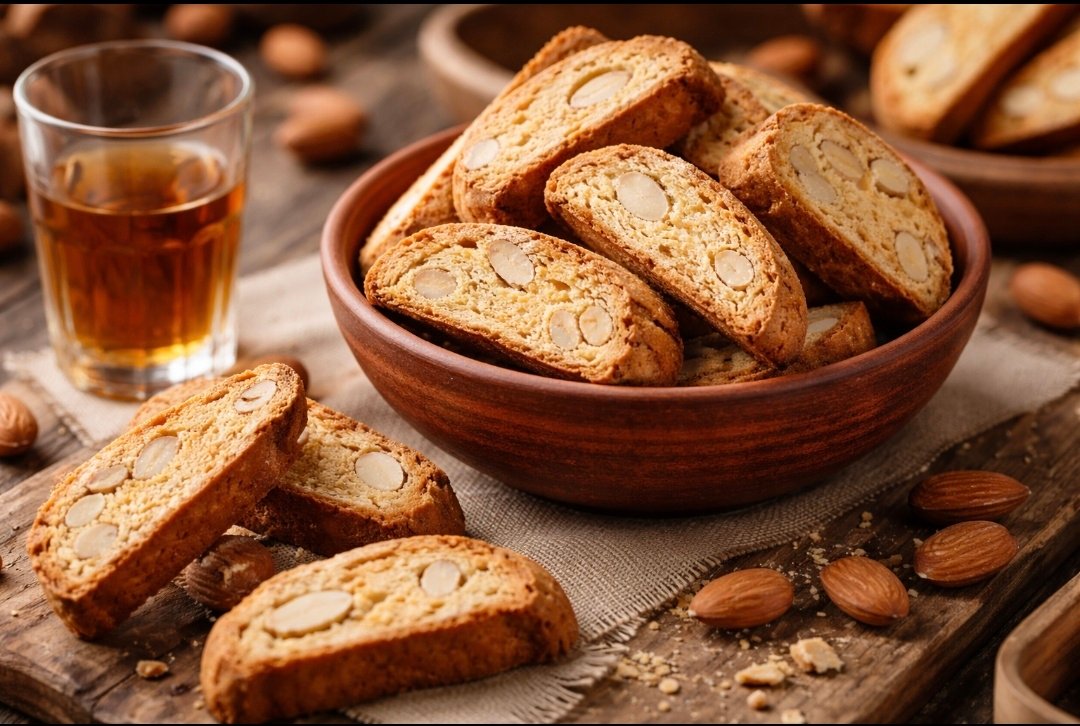
Few traditional European sweets carry the quiet authority and historical depth of бишкоти ди прато. At first glance, they appear modest—slender, golden, and unadorned except for whole almonds embedded in their crisp structure. Yet behind this simplicity lies centuries of culinary craftsmanship, regional pride, and disciplined technique. Originating in the heart of Prato, this iconic biscuit has evolved from a local specialty into a globally recognized symbol of Tuscan baking.
The story of бишкоти ди прато is not merely about a twice-baked cookie. It is about identity, preservation, and restraint. Unlike many modern desserts that rely on creams, fillings, or elaborate decoration, this classic sweet stands firm on a few essential ingredients and a precise method. Its power lies in balance—texture, sweetness, aroma, and tradition woven together into something enduring. To understand it fully is to appreciate not only its taste but also the culture that shaped it.
What Is бишкоти ди прато
бишкоти ди прато is a traditional almond biscuit from Tuscany, specifically associated with the city of Prato. The name translates literally to “biscuits of Prato,” and they are often referred to in Italy as cantucci or cantuccini. What distinguishes authentic бишкоти ди прато, however, is its adherence to a historic formula that excludes butter and oil entirely.
READ MORE: Inside the eagles rookie trade attempt strategy shift plans
The dough is made primarily from flour, sugar, eggs, and whole almonds. It is shaped into logs, baked once, sliced diagonally, and then baked again to achieve its signature dryness and crunch. This double-baking technique is not decorative; it is functional. Historically, it ensured long shelf life, allowing the biscuits to be stored for extended periods without spoilage.
Authentic бишкоти ди прато are dry, firm, and subtly sweet rather than indulgent. Their structure invites pairing, traditionally with Vin Santo, a Tuscan dessert wine, where the biscuit is briefly dipped to soften its texture. The result is a sensory experience built on contrast—crisp and tender, sweet and nutty, rustic and refined.
The Origins and Historical Significance
The roots of бишкоти ди прато stretch back to the Renaissance period, though references to similar twice-baked breads date even earlier to Roman times. The Latin word “biscoctus,” meaning “twice cooked,” reflects the practical origins of such baked goods. Soldiers and travelers required durable foods, and double baking provided preservation.
In the nineteenth century, the recipe gained formal recognition through the work of Antonio Mattei, a pastry maker who standardized and commercialized the biscuit in Prato. His bakery became synonymous with authenticity, and his packaging—distinctive blue paper—became a mark of quality. Mattei’s interpretation maintained a strict formula: no fats beyond eggs, whole unpeeled almonds, and a carefully monitored baking process.
This disciplined approach shaped what we now recognize as true бишкоти ди прато. While many variations have appeared globally, traditionalists in Tuscany still defend the original method. In fact, the recipe has become part of the culinary identity of Italy, representing regional craftsmanship and respect for heritage.
The Ingredients: Simplicity with Precision
The beauty of бишкоти ди прато lies in restraint. Flour provides structure, sugar adds sweetness and caramelization, eggs bind and enrich, and almonds contribute texture and flavor. There is no butter to soften the crumb and no oil to add moisture. This absence is deliberate, creating a firm biscuit designed for longevity and pairing.
Whole almonds are traditionally used with their skins intact. The skins lend slight bitterness and complexity, balancing the sugar in the dough. Toasting occurs naturally during baking, releasing oils and deepening aroma. The choice of almond variety also matters; sweeter Mediterranean almonds are typically preferred for their balanced flavor.
Proportions are critical. Too much sugar can cause excessive browning and brittleness, while too many almonds disrupt the structural integrity of the slices. Bakers often rely on inherited measurements rather than modern experimentation, preserving consistency across generations.
The Art of Double Baking
The defining technique of бишкоти ди прато is the double-baking process. After mixing, the dough is shaped into elongated logs and baked until lightly golden. At this stage, the texture is still relatively soft. The logs are then removed from the oven and sliced diagonally while warm, revealing cross-sections of whole almonds embedded in pale crumb.
The slices are returned to the oven for a second bake. This stage dries the interior and intensifies the color. Precision in timing determines texture; even a few minutes can shift the result from pleasantly crisp to overly hard. Traditional bakers develop intuition for this stage, gauging readiness by sound and aroma rather than timers.
This technique does more than enhance crunch. It concentrates flavor and stabilizes the biscuit’s structure. The second bake drives out moisture, ensuring the biscuit remains shelf-stable without preservatives. The result is a product that can travel, age gracefully, and maintain its character.
Cultural Rituals and Serving Traditions
In Tuscany, бишкоти ди прато are rarely eaten alone. They are served at the end of meals, accompanied by Vin Santo poured into small glasses. The ritual is deliberate: the biscuit is dipped briefly into the wine, absorbing sweetness and softening just enough to bite. This pairing transforms the experience, marrying almond warmth with honeyed notes of the wine.
The biscuits also appear during holidays and family gatherings. Their durability makes them ideal for gifting, and their understated elegance suits celebratory tables without overwhelming other dishes. Unlike elaborate pastries, they represent hospitality rooted in modesty.
Beyond Tuscany, бишкоти ди прато have become ambassadors of Italian baking. Cafés across Europe and North America offer variations, often alongside espresso. While these adaptations may introduce chocolate or citrus zest, the core identity remains tied to the original Tuscan form.
Variations and Global Interpretations
As the reputation of бишкоти ди прато expanded, bakers around the world began adapting the formula. Some added pistachios or hazelnuts, others incorporated dried fruit, chocolate chips, or spices. Butter-based versions emerged, producing a softer, richer texture more aligned with contemporary tastes.
Yet these interpretations, while delicious, depart from tradition. The authentic Tuscan version resists embellishment. Its strength lies in clarity. When butter enters the recipe, the texture shifts from crisp and dry to tender and crumbly. The absence of fat in the original recipe is not a flaw but a defining characteristic.
This tension between preservation and innovation reflects a broader culinary debate. Should recipes evolve freely, or should they remain anchored in historical authenticity? In the case of бишкоти ди прато, many argue that the original deserves protection precisely because it represents something rare: a dessert defined by discipline rather than indulgence.
Nutritional Perspective and Modern Appeal
From a nutritional standpoint, бишкоти ди прато offer certain advantages over richer pastries. Without butter or oil, they contain less saturated fat than many cookies. Almonds contribute healthy fats, fiber, and protein, adding substance beyond sweetness.
However, they are still sugar-based confections and should be enjoyed in moderation. Their dryness often encourages slower consumption, particularly when paired with a beverage. This pace aligns well with modern mindfulness around eating—savoring rather than rushing.
In contemporary kitchens, their simplicity appeals to home bakers seeking authenticity without complexity. The ingredient list is short, and the technique, while precise, is accessible. For many, baking бишкоти ди прато becomes an act of connection to tradition rather than a quest for novelty.
Craftsmanship and Regional Identity
In Prato, the biscuit is more than a product; it is a point of civic pride. Bakeries guard their methods, and subtle differences in proportion or baking time distinguish one shop from another. Visitors often compare textures, debating which version best captures the true spirit of бишкоти ди прато.
This regional loyalty underscores a larger truth about food: it carries memory. The scent of almonds toasting in an oven can evoke childhood kitchens, festive tables, and shared meals. Recipes endure not only because they taste good but because they anchor communities in continuity.
As global cuisine becomes increasingly hybridized, traditional foods like бишкоти ди прато offer a reminder that restraint and heritage still matter. They resist excess, celebrate craftsmanship, and reward patience.
READ MORE: abs testauslösung im modernen Bremssystem verstehen erklärt
Conclusion
бишкоти ди прато stand as a testament to the elegance of simplicity. Born in Prato and refined through centuries of disciplined baking, these almond biscuits embody balance, history, and cultural pride. Their double-baked texture, absence of butter, and reliance on whole almonds distinguish them from countless modern variations.
More than a sweet treat, they represent a philosophy of baking rooted in clarity and longevity. Each crisp slice tells a story of Tuscan tradition, of measured ingredients and careful technique. In a world often captivated by extravagance, бишкоти ди прато remind us that depth can emerge from restraint and that true flavor does not require excess.
FAQs
What makes бишкоти ди прато different from other biscotti?
Authentic бишкоти ди прато contain no butter or oil and rely on whole almonds and a precise double-baking process. This creates a drier, firmer texture compared to softer, modern biscotti variations.
Why are бишкоти ди прато baked twice?
The double-baking method removes excess moisture, intensifies flavor, and extends shelf life. Historically, this technique ensured durability and preservation.
Can бишкоти ди прато be eaten without dipping?
Yes, they can be enjoyed on their own, but traditionally they are dipped in Vin Santo or paired with coffee to soften their texture and enhance flavor.
Are there official rules for authentic бишкоти ди прато?
While variations exist, traditional recipes from Prato emphasize the absence of added fats, the use of whole almonds, and adherence to the classic double-bake technique.
How long do бишкоти ди прато stay fresh?
Because of their low moisture content, they can remain fresh for several weeks when stored in an airtight container, making them ideal for gifting and long-term enjoyment.

Introduction
Asbestlint is a term that still surfaces in older buildings, industrial manuals, and renovation conversations, often carrying a mix of confusion and concern. At its core, it refers to a heat-resistant sealing and insulating material made with asbestos fibers, once valued for its durability and fireproof qualities. Today, however, it represents a complex legacy of industrial progress colliding with serious health realities. Understanding asbestlint matters because it connects directly to building safety, occupational health, and responsible renovation decisions. In this article, you’ll learn what it is, why it was widely used, how it can affect health, and what modern alternatives and safety practices exist.
Quick Bio
| Field | Details |
|---|---|
| Material Name | Asbestlint |
| Also Known As | Asbestos tape, asbestos sealing tape |
| Primary Composition | Woven asbestos fibers (chrysotile or amphibole) |
| Main Purpose | Heat insulation, sealing, fire resistance |
| Peak Usage Period | 1920s–1970s |
| Common Applications | Boilers, pipes, furnaces, flanges, stoves |
| Health Status | Proven hazardous when fibers are airborne |
| Regulatory Status (US) | Restricted; removal regulated under federal and state laws |
What Is Asbestlint and Why It Was Invented
Asbestlint was developed during a time when industry needed materials that could tolerate extreme heat, friction, and chemical exposure without degrading. Asbestos fibers, naturally resistant to fire and wear, were woven into tapes and cords that could be wrapped around pipes or pressed into joints. This made them ideal for sealing gaps where hot gases or steam might escape.
READ MORE: Senaven: Exploring Its Meaning, Uses, and Growing Relevance
The appeal wasn’t only performance. The material was inexpensive, easy to shape, and lasted for decades without obvious damage. Engineers and builders trusted it implicitly, often installing it deep within walls or machinery where it would be forgotten for years. At the time, the microscopic risks were not widely understood, so its adoption felt like a technological win.
Historical Uses Across Industries
Industrial and Mechanical Settings
Factories, power plants, and ships relied heavily on asbestos-based sealing products. In these environments, machinery ran at high temperatures around the clock. A simple tape that could be wrapped tightly around joints and still resist heat was invaluable. Asbestlint often lined exhaust systems, turbines, and pump housings.
This widespread industrial use meant thousands of workers handled it daily. Cutting, trimming, and replacing worn seals was routine work, unknowingly releasing fibers into the air. Decades later, this exposure history became a major factor in occupational health studies.
Residential and Commercial Buildings
Beyond factories, asbestlint found its way into homes, schools, and offices. It was commonly used around boilers, fireplaces, and heating ducts. In older houses, it might still be hidden behind access panels or under layers of newer insulation.
Builders favored it because it reduced fire risk around heating equipment. Ironically, a material installed for safety later became a hazard of its own. This dual legacy explains why homeowners today may feel uneasy when they discover it during renovations.
Physical Properties and Performance Characteristics
The effectiveness of asbestlint came from the structure of asbestos fibers themselves. These fibers are long, thin, and incredibly strong at the microscopic level. When woven together, they create a flexible yet tough fabric that resists tearing.
Thermally, the material could withstand temperatures far beyond what organic fibers could handle. It didn’t burn, melt, or easily conduct heat, making it an excellent barrier. Chemically, it resisted many corrosive substances, which extended its life in harsh environments.
From a purely engineering perspective, it solved many problems elegantly. The issue lay not in how it performed, but in what happened when those fibers escaped into the air and lungs.
Health Risks and Scientific Understanding
How Exposure Occurs
Asbestlint is most dangerous when disturbed. When intact and sealed, it may not release many fibers. Cutting, sanding, or even aging and crumbling can free microscopic strands that remain airborne for long periods. Once inhaled, these fibers can lodge deep in lung tissue.
Unlike dust that the body can expel, asbestos fibers persist. Over time, they cause irritation, scarring, and cellular changes. This delayed effect made the danger hard to detect early on, as symptoms might not appear for decades.
Long-Term Health Effects
Medical research eventually linked asbestos exposure to serious illnesses, including asbestosis, lung cancer, and mesothelioma. These conditions are often progressive and difficult to treat. The latency period, sometimes 20 to 40 years, meant that workers exposed in their youth faced illness later in life.
This scientific understanding fundamentally changed how society views materials like asbestlint. What was once a symbol of safety and durability became an example of unintended consequences in industrial design.
Regulation and Legal Landscape in the United States
As evidence mounted, regulations tightened. Federal agencies began restricting the manufacture and use of asbestos-containing products. While not all asbestos is completely banned, its handling is strictly controlled.
Removal or disturbance of asbestlint in buildings typically requires trained professionals, specialized equipment, and careful disposal. These rules exist to protect not only workers, but also occupants and the surrounding community. Ignoring them can lead to fines and, more importantly, serious health risks.
Understanding the legal framework helps property owners make informed decisions. It’s not just about compliance; it’s about responsibility toward anyone who might be exposed.
Identifying Asbestlint in Older Structures
Visual identification alone is unreliable. Asbestos tape often looks similar to other fibrous materials. It may appear white, gray, or off-brown, sometimes frayed or wrapped tightly around pipes.
The safest way to confirm its presence is through professional testing. Samples are analyzed in certified laboratories using microscopy techniques. Attempting to test it yourself increases the risk of fiber release, which defeats the purpose of caution.
Knowing whether it’s present allows you to plan next steps calmly, rather than reacting out of fear or uncertainty.
Safe Management, Encapsulation, and Removal
When to Leave It Undisturbed
In some cases, intact asbestlint can be left in place and encapsulated. This involves sealing it with a protective coating that prevents fibers from escaping. For materials in good condition and out of reach, this can be a practical solution.
Encapsulation minimizes disruption and reduces cost. However, it requires ongoing monitoring to ensure the seal remains intact over time.
Professional Removal Practices
When removal is necessary, licensed abatement professionals follow strict procedures. Work areas are sealed, air pressure is controlled, and protective gear is mandatory. Waste is double-bagged and disposed of at approved facilities.
This process may seem elaborate, but it reflects decades of hard-earned knowledge. Cutting corners during removal exposes everyone involved to unnecessary danger.
Modern Alternatives and Materials
Advances in material science have produced safer substitutes that match or exceed the performance of asbestos-based products. Fiberglass tapes, ceramic fiber seals, and high-temperature synthetic fabrics are now standard.
These materials offer heat resistance without the long-term health risks. They are easier to handle, dispose of, and replace. Choosing modern alternatives isn’t just about safety; it’s about embracing better technology informed by past lessons.
In renovations or new installations, opting for these substitutes ensures compliance with current standards and peace of mind for the future.
Cultural and Industrial Lessons Learned
The story of asbestlint is more than a technical case study. It’s a reminder of how innovation can outpace understanding. At the time of its invention, the focus was on solving immediate problems, not long-term biological impact.
Today, engineers and designers apply more rigorous testing and ethical scrutiny to new materials. The goal is to balance performance with human health and environmental responsibility. Remembering this history helps prevent similar oversights in the future.
Practical Scenarios and Real-World Examples
Consider a homeowner renovating a 1950s basement. Discovering old pipe wrap can trigger anxiety, but informed action makes all the difference. By pausing work, arranging testing, and consulting professionals, the risk is managed effectively.
READ MORE: Simpciry: A Modern Philosophy of Living with Purpose
In industrial settings, retrofitting older equipment with modern seals reduces liability and improves worker safety. These examples show that awareness leads to practical, manageable solutions rather than panic.
Conclusion
Asbestlint represents a pivotal chapter in material history, blending ingenuity with unintended harm. Understanding its origins, properties, and risks empowers homeowners, workers, and decision-makers to act responsibly. The key takeaways are clear: respect the material’s hazards, rely on professional guidance, and choose safer alternatives whenever possible. By applying these lessons, we protect health today while honoring the hard-won knowledge of the past.
Frequently Asked Questions (FAQs)
Is asbestlint still used today?
No new installations typically use it. Modern regulations restrict its use, and safer alternatives have replaced it in most applications.
Can intact asbestos tape be safe?
If undamaged and left undisturbed, it may pose minimal risk. However, professional assessment is always recommended.
How can I tell if my home contains it?
Visual inspection isn’t reliable. Certified laboratory testing of samples is the safest way to confirm its presence.
Is removal always necessary?
Not always. Encapsulation can be an option when the material is in good condition and unlikely to be disturbed.
What should I do if I find it during renovation?
Stop work immediately and contact a licensed professional to assess and manage the situation safely.