
Blogs
Masgonzola: A Deep Dive Into Flavor, Craft, and Culture

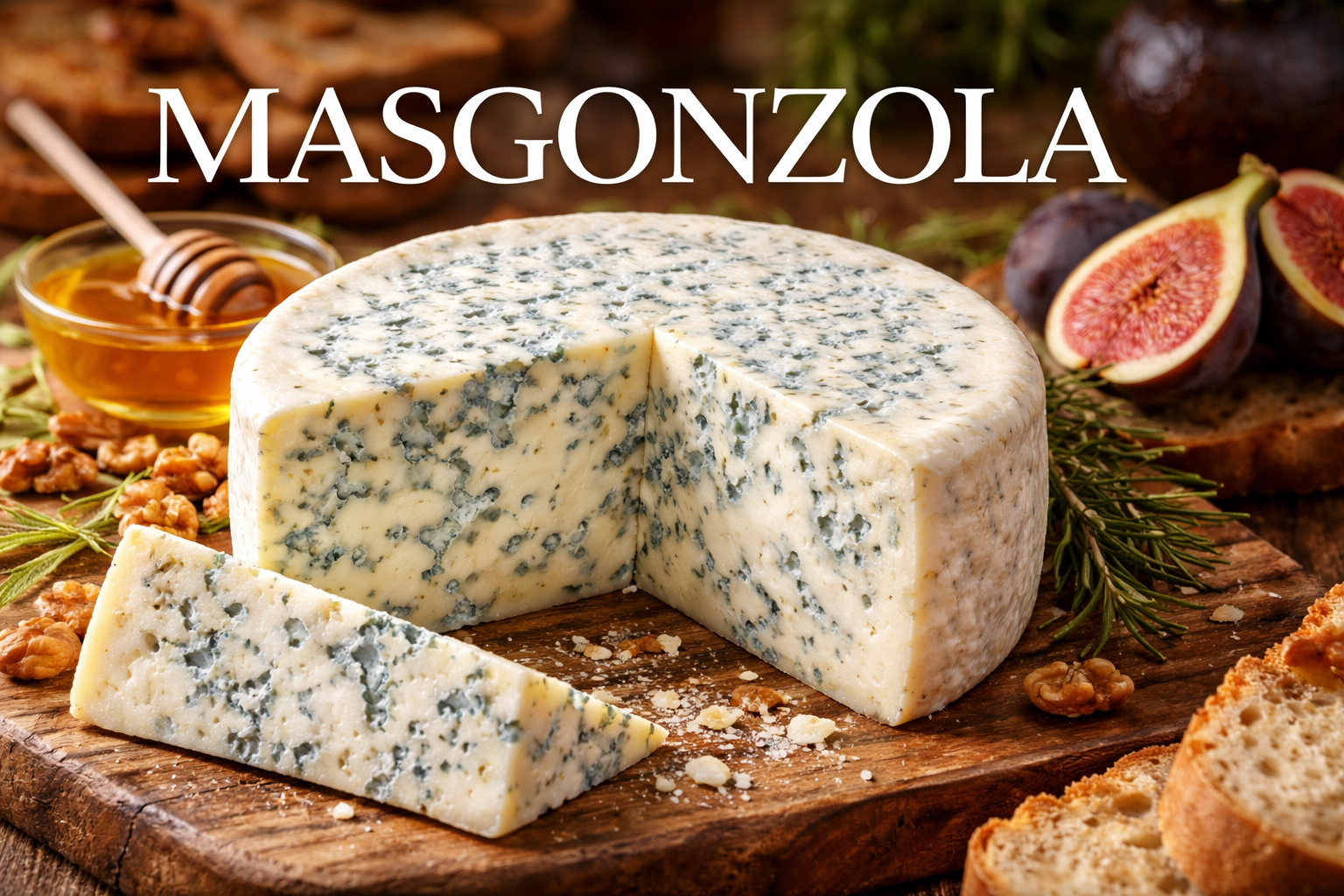
Masgonzola is more than a curious name—it’s a story of taste, tradition, and modern creativity coming together. In recent years, masgonzola has captured attention among food lovers who crave bold flavors without losing the comfort of familiarity. At first encounter, the word sparks curiosity, and that curiosity is rewarded with a layered experience that blends heritage, technique, and culinary imagination. In this article, you’ll learn what masgonzola truly is, where it comes from, how it’s made, and why it matters today. By the end, you’ll understand how this distinctive creation fits into kitchens, cultures, and conversations around food.
Quick Bio
| Attribute | Details |
|---|---|
| Name | Masgonzola |
| Category | Artisanal blue-veined cheese style |
| Inspiration Origin | Northern Italy (inspired by Lombardy traditions) |
| First Known Development | Early 2000s |
| Base Ingredients | Cow’s milk, natural cultures, rennet, salt |
| Flavor Profile | Creamy, tangy, mildly sharp with earthy notes |
| Typical Aging Period | 60–120 days |
| Common Uses | Table cheese, cooking, sauces, gourmet dishes |
| Cultural Significance | Modern reinterpretation of classic Italian cheese craft |
Understanding Masgonzola and Its Meaning
Masgonzola is best understood as a modern interpretation of classic blue-veined cheese traditions, created to balance intensity with approachability. While its roots clearly nod toward historic Italian methods, it doesn’t attempt to copy the past outright. Instead, it refines it. Masgonzola appeals to those who enjoy complex flavors but want something smoother and more adaptable than older, sharper varieties.
READ MORE: Suçculent Plants Explained: Care, Meaning, and Uses
The meaning of masgonzola extends beyond taste. It represents how food evolves when artisans respect tradition while responding to contemporary preferences. In many ways, it mirrors how language or music changes over time—recognizable foundations, yet new expressions. That balance explains why masgonzola has found a growing audience across different culinary cultures.
Historical Roots and Modern Evolution
The story of masgonzola begins with northern Italian cheese-making heritage, particularly in regions known for blue cheeses. Traditional methods emphasized strong aroma, long aging, and pronounced sharpness. While beloved by purists, these traits sometimes limited broader appeal. Masgonzola emerged as a response, designed to soften extremes without losing character.
In the early 2000s, small-scale producers began experimenting with milk blends, aging durations, and microbial cultures. The result was masgonzola—a cheese that keeps the signature blue veining but delivers a creamier, more balanced bite. Its evolution shows how food traditions remain alive by adapting, not freezing in time.
How Masgonzola Is Crafted
The crafting of masgonzola is a careful, patient process that blends science with intuition. Fresh cow’s milk forms the base, chosen for its natural sweetness and ability to carry complex flavors. After gentle heating, cultures and rennet are added, beginning the transformation from liquid to curd.
What makes masgonzola distinct is its controlled aging. Cheesemakers introduce specific molds and monitor humidity and temperature closely. Instead of pushing for aggressive sharpness, they aim for harmony. The result is a cheese that feels indulgent yet balanced, offering layers of flavor that unfold gradually rather than all at once.
Flavor Profile: What to Expect When Tasting
Tasting masgonzola is an experience of progression. At first bite, there’s a mild creaminess that feels familiar and comforting. As it melts on the tongue, subtle tang and earthiness emerge, followed by a gentle sharpness that never overwhelms. This progression makes masgonzola approachable even for those new to blue cheeses.
Texture plays an equally important role. Soft but structured, masgonzola spreads easily while retaining enough body to slice cleanly. That versatility explains its popularity across casual meals and refined dishes alike. Each bite invites attention without demanding effort, making it a favorite among chefs and home cooks.
Culinary Uses Across Cuisines
Masgonzola shines in a wide range of culinary applications because it adapts without losing identity. In Italian-inspired dishes, it melts beautifully into risottos and pasta sauces, adding depth without bitterness. In more global kitchens, it pairs well with roasted vegetables, grains, and even grilled meats.
Beyond cooking, masgonzola stands confidently on its own. Served with fruit, nuts, or bread, it becomes a centerpiece rather than an accent. Its balanced flavor allows it to complement rather than dominate, encouraging creative pairings that feel both indulgent and thoughtful.
Masgonzola in Modern Food Culture
Food culture today values authenticity, storytelling, and craftsmanship. Masgonzola fits naturally into this landscape. It tells a story of respect for tradition while embracing innovation, which resonates with consumers seeking meaning in what they eat. It’s not mass-produced anonymity; it’s intentional creation.
Social gatherings, tasting events, and restaurant menus increasingly highlight items like masgonzola because they spark conversation. People want to know where it comes from and how it’s made. In that sense, masgonzola isn’t just food—it’s a cultural connector that brings people into shared curiosity and enjoyment.
Comparing Masgonzola to Traditional Blue Cheeses
While masgonzola shares visual similarities with traditional blue cheeses, the experience differs noticeably. Classic varieties often prioritize boldness, sometimes bordering on pungent intensity. Masgonzola, by contrast, aims for balance. It’s designed to be savored without intimidation.
This difference matters because it broadens access. Those who once avoided blue cheeses often find masgonzola inviting. At the same time, seasoned enthusiasts appreciate its nuance and craftsmanship. By bridging these audiences, masgonzola occupies a unique and valuable space in the culinary world.
Why Masgonzola Matters Today
Masgonzola matters because it reflects how tastes evolve without abandoning roots. It shows that innovation doesn’t require rejection of tradition; it requires understanding it deeply. In an era where food choices often reflect values, masgonzola stands as an example of thoughtful adaptation.
Its growing presence also highlights a shift toward quality over quantity. People are increasingly willing to explore fewer but better foods, savoring experiences rather than rushing through meals. Masgonzola supports that mindset, encouraging slower enjoyment and deeper appreciation.
The Future of Masgonzola
Looking ahead, masgonzola’s future appears promising. As more producers experiment responsibly, variations may emerge that explore different aging periods or milk sources while maintaining core identity. These explorations will likely expand its appeal further without diluting what makes it special.
READ MORE: هنتاوي.com: A Deep Look Into Its Culture and Impact
Ultimately, masgonzola’s future depends on continued respect for craft. As long as makers prioritize balance, patience, and integrity, masgonzola will remain relevant. It’s a reminder that the best innovations often come from listening—to tradition, to ingredients, and to people.
Conclusion
Masgonzola represents a thoughtful blend of heritage and modern taste. From its roots in Italian-inspired craftsmanship to its balanced flavor and versatile use, it offers something meaningful to a wide range of food lovers. Understanding masgonzola means appreciating how tradition evolves through care and creativity. For anyone seeking depth without excess, masgonzola delivers. Exploring it isn’t just about trying a new cheese—it’s about engaging with a living culinary story that continues to grow.
Frequently Asked Questions (FAQs)
What exactly is masgonzola?
Masgonzola is a modern blue-veined cheese style inspired by traditional Italian methods but crafted for a smoother, more balanced flavor experience.
Is masgonzola suitable for beginners?
Yes, its mild creaminess and gentle sharpness make masgonzola approachable for those new to blue cheeses.
How is masgonzola typically used in cooking?
It’s commonly melted into sauces, added to risottos, or served as a table cheese alongside fruits and bread.
Does masgonzola require special storage?
Like most artisanal cheeses, masgonzola should be stored refrigerated and wrapped to maintain moisture without trapping excess air.
What makes masgonzola different from classic blue cheese?
The main difference lies in balance—masgonzola emphasizes harmony and approachability rather than intense pungency.

Introduction
If you’ve come across the term senaven recently and wondered what it means, you’re not alone. Senaven has been gaining attention across the internet, not because it refers to one specific thing, but because it’s a flexible, modern term with potential in many areas — from branding and creativity to wellness applications. In this article, you’ll learn what senaven represents in different contexts, why people are talking about it, and how it might influence your work or interests. Whether you’ve spotted it in discussions, product names, or creative projects, this in-depth guide will give you clarity and insight into this intriguing term.
Quick Bio
| Attribute | Detail |
|---|---|
| Term/Keyword | Senaven |
| Origin | Modern digital usage, no fixed etymology |
| Primary Contexts | Branding, digital identity, wellness concepts |
| Growth Era | Gained popularity in early 2020s |
| Common Associations | Innovation, adaptability, creativity |
| Applications | Branding, creative naming, wellness products |
| Typical Use Cases | Digital platforms, product names, conceptual frameworks |
| Not a Dictionary Word | Correct — not officially listed in major dictionaries |
What Is Senaven?
At its core, senaven isn’t a word you’ll find in traditional dictionaries. Instead, it has emerged as a modern expression used across various digital and creative communities. People interpret senaven as a concept that signifies innovation, flexibility, and modern identity.
READ MORE: Camehoresbay: Meaning, Origins, Culture, and Modern Impact
In many cases, senaven is adopted not for its literal meaning — because it doesn’t have one — but for its aesthetic appeal and adaptability. This makes it useful in contexts where originality and branding potential are important.
The Origin and Evolution of Senaven
Unlike words rooted in language history, senaven emerged in recent years as part of internet culture and niche branding discussions. It doesn’t come from classical Latin or other ancient roots. Instead, its evolution is driven by usage in modern media, blogs, platforms, and online discussions.
Creators began using senaven because it is memorable, visually appealing, and sonically pleasant. As digital communities grew, the term evolved beyond just a placeholder — it became a symbol of creativity and open interpretation.
This evolution mirrors how many modern terms come to life: less through etymology, and more through cultural use and adoption — especially in digital spaces where language evolves rapidly.
Senaven in Branding and Identity
A Name for the Digital Age
One of the strongest areas where senaven shines is in branding and digital identity. Because the term has no predefined meaning or heavy associations, designers and business owners can shape it to fit whatever message they want to convey — whether that’s innovation, trust, health, creativity, or forward thinking.
Brands and platforms that adopt senaven as part of their name benefit from its uniqueness. A brand like “Senaven Tech” or “Senaven Wellness” stands out because it isn’t tied down to previous uses. This makes it easier to carve out a unique identity in crowded markets.
Because it’s novel, senaven can also help with discoverability when used intentionally in creative projects, product names, or business titles — though this benefit depends on how widely the term spreads in your audience’s circles.
Creative and Cultural Uses
Beyond commercial naming, senaven has caught on as a term in creative circles:
Conceptual Identity
Writers, artists, and storytellers sometimes use senaven as a fictional or symbolic element. It can represent an idea, character name, or thematic element in stories because it sounds modern and evocative.
Project Titles
From podcasts and blogs to digital art collections, senaven appears as a project title that suggests cutting-edge thinking or a fresh viewpoint. Using a unique word like this can help communicate that a project is original or boundary-pushing.
Community Identity
In some online communities, senaven is adopted as a tag or recognizable theme that binds together shared interests — especially among groups centered on creativity and digital innovation.
Senaven in Wellness and Products
Interestingly, senaven has also been applied in other areas, such as product names or wellness discussions. Some products marketed online use the term to evoke a sense of natural health, balance, or holistic care. These may include:
- Herbal-based supplements
- Natural wellness formulations
- Topical skin care products
In these uses, senaven acts as a memorable brand name rather than a medically defined term. Users often associate such products with plant-based ingredients and gentle support, though scientific proof of specific claims varies.
Why Senaven Matters Today
There are several reasons why senaven has become an intriguing concept worth attention:
1. Flexibility of Meaning
Because it’s not tied down by a strict definition, senaven can be adapted for many purposes — from business naming to creative expression. This flexibility is particularly useful in fields where branding and distinctiveness matter.
2. Cultural Resonance
The smooth, balanced structure of the term helps it feel modern and globally accessible. People relate to it easily, partly because it doesn’t carry heavy cultural baggage from established languages.
3. Innovation and Perception
Using a fresh term like senaven can signal innovation, modernity, or forward-thinking — qualities desirable in tech, design, and creative industries.
Potential Challenges When Using Senaven
While senaven offers many advantages as a flexible term, there are some considerations:
Lack of a Fixed Meaning
Because it doesn’t have a standard definition, audiences may interpret it differently. This can be an opportunity for creativity, but it may also require more explanation when used in products or branding.
Cultural Understanding
Not everyone will immediately grasp what senaven is meant to signify. This means that effective usage relies on thoughtful messaging that shapes perception intentionally.
How to Use Senaven in Your Projects
If you’re considering incorporating senaven into your own work — whether as a brand name, creative label, or product title — here are some tips:
- Define what senaven means to you before presenting it publicly.
- Align it with values you want associated with your project.
- Use visuals and storytelling to reinforce the identity you’re building.
- Avoid assuming the audience understands the term immediately; provide context.
Because senaven has no entrenched meaning, you get to shape its identity — but this requires intentional communication.
READ MORE: David Borhaz: An In-Depth Look at the Person, Identity, and Influence
Conclusion
Senaven is a fascinating example of how language and branding evolve in the digital age. It’s a modern term that has risen not through traditional roots, but through creative use and cultural adoption online. Whether you encounter it as a brand name, creative concept, or product label, senaven represents flexibility, innovation, and open interpretation. Its value isn’t fixed — it’s defined by how people apply it. The term’s growing relevance shows how new identities can emerge online and influence how we think about language, culture, and connection.
If you’re curious about how unique terms can shape narratives or brands, senaven offers a compelling case study that reflects broader trends in modern communication and creativity.
Frequently Asked Questions (FAQs)
1. What does senaven mean?
Senaven doesn’t have a fixed dictionary meaning; instead, it’s interpreted based on the context — often as a flexible, modern identity used in branding and creative spaces.
2. Is senaven a real word?
It’s not a traditional word from established language roots — but it’s real in the sense that people actively use it in digital and creative contexts.
3. Can senaven be used for product names?
Yes, many brand and product names use senaven to convey modernity and uniqueness.
4. Is senaven tied to wellness products?
Some products using the senaven name are marketed in the wellness space, though the term itself isn’t a health science term.
5. Why is senaven becoming popular online?
It’s appealing because it’s unique, memorable, and adaptable — traits that resonate with digital creators and innovators.

Introduction
Gelboodu is a fascinating term that’s been rising in curiosity and use across different spheres of culture and digital communities. Though not widely known just a few years ago, gelboodu has gained traction as a name for an anime-focused image platform, a cultural concept, and even a metaphor for creative expression and personal identity. This extraordinary blend of meanings makes gelboodu an intriguing subject to explore, whether you’re a fan of online visual art, culture enthusiast, or simply curious about new digital phenomena. In this comprehensive article, we’ll unpack what gelboodu means, where it came from, how it works online, and why it matters.
Gelboodu’s many interpretations reflect the interconnected lives we lead today—bridging traditional cultural symbols with the dynamic evolution of internet subcultures and creative communities. Let’s begin with a quick overview of its many dimensions.
Quick Bio: Gelboodu at a Glance
| Aspect | Details |
|---|---|
| Term/Name | Gelboodu |
| Primary Use | Online platform, cultural symbol, creative expression |
| Origin Influences | Anime “booru” imageboard tradition; possibly blended with cultural concepts referencing community and creativity |
| First Noted Appearance | Mid-2020s in online communities |
| Core Function Online | Tag-based archive of user-uploaded visual content (especially anime/manga) |
| Community Aspect | User-driven contributions, tagging, commenting |
| Expanding Uses | Creative concept, aesthetic label, cultural metaphor |
| User Categories | Anime fans, digital artists, visual researchers, online communities |
What Is Gelboodu? Understanding the Meaning
In simple terms, gelboodu refers to a name that has several overlapping meanings—mostly centered around visual culture and creative expression. In the online world today, it’s best known as a booru-style image archive where users upload, tag, and explore visual content, especially anime and manga material.
READ MORE: هنتاوي.com: A Deep Look Into Its Culture and Impact
The name itself blends the playful sound and structure of “booru” (a Japanese-derived term for image boards) with a flexible prefix that evokes creative, fluid content. This adaptability has helped it become more than just a website; it’s now a label used by fans, artists, and creators to describe aesthetic, expressive, and even experimental work.
Multiple Contexts of the Term
- Online Platform: The most practical and widespread usage today. It refers to a searchable, tag-based archive of images and visual content.
- Creative Label: Many use the term to describe a style or aesthetic that’s distinctive, bold, or unconventional.
- Cultural Symbol: Some interpretations tie it to symbolic ideas like creativity, resilience, and dynamic community identity.
The Origins and Evolution of Gelboodu
Gelboodu’s story reflects the way modern internet culture reshapes language and concepts. Its roots trace back to booru-style websites, which have been a staple of anime and manga fan communities for decades. These platforms allow millions of images to be organized via tags, making them easier to search and discover.
Booru Heritage
The term “booru” comes from a Japanese adaptation of “board” and refers to structured image archives like Danbooru, Moebooru, Safebooru, and others. Gelboodu appears to be a creative twist on these naming conventions, emphasizing a unique community and browsing experience.
Why It Gained Popularity
Several factors contributed to gelboodu’s rise:
- Usability: Its tagging system helps users find specific images quickly.
- Community Driven: Users add tags, comment, and interact, deepening engagement.
- Aesthetic Appeal: The term resonates with younger audiences, especially in visual subcultures.
Over time, gelboodu expanded from a simple archive into a broader cultural reference, capturing ideas about community, creativity, and the joy of visual discovery.
How Gelboodu Works Online
At its core, gelboodu as a platform functions much like other booru-style sites: it organizes images through a user-generated tagging system. This allows users to perform nuanced searches and uncover specific content quickly—something that’s especially useful for anime and art discovery.
Tagging and Searching
Each image uploaded is tagged with descriptive words—character names, themes, emotions, objects, and more. This creates a rich web of metadata that users can combine for highly precise searches.
For example, a search combining multiple tags like “sunset,” “girl,” and “sword” can yield exactly the visual style or scene a user wants—something that ordinary image search engines might struggle with.
Community Interaction
Users on gelboodu aren’t just browsing—they contribute. Comments help clarify sources and artist credits, while voting and bookmarking allow the community to highlight quality works.
Who Uses Gelboodu and Why It Matters
Gelboodu has become a gathering space for several types of users, each bringing their own goals:
Anime and Manga Fans
For fans, gelboodu is a vast, searchable archive where favorite characters and art can be rediscovered or appreciated in new ways.
Artists and Creators
Visual artists use the platform to showcase their work, receive feedback, and connect with like-minded creators. Its tag system also helps new audiences find their art.
Designers and Researchers
Visual researchers and designers find gelboodu valuable for inspiration, mood boards, and style references. Its tagging makes finding visual themes much easier than generic image search engines.
Community and Culture Builders
Some users simply enjoy being part of a dynamic online community where tags, contests, and shared interests evolve organically.
The Broader Cultural Meaning of Gelboodu
What makes gelboodu particularly interesting is how it has transcended its original technical meaning to become a cultural signifier. That is, it’s not just a platform—it’s a signal of creative freedom, collaboration, and dynamic identity in internet culture.
This flexible meaning means gelboodu can refer to:
- An aesthetic or style
- A community philosophy
- A label for creative expression beyond mainstream categories
In that sense, it reflects broader shifts in how digital communities create and define shared symbols and vocabulary.
Benefits and Challenges of Gelboodu
Benefits
Gelboodu provides:
- Efficient visual search through tags
- A platform for artists to share and get feedback
- A rich archive of community-curated visual culture
Challenges
However, it’s not without pitfalls:
- Tag mislabeling can lead to irrelevant results
- Some content may be inappropriate without filters
- Artist credit and copyright concerns remain issues
These are common on many user-generated platforms, so responsible use and community moderation are key to maintaining a positive environment.
Gelboodu vs Other Platforms
While there are many image archives and creative forums online, gelboodu has carved its own niche. Compared with platforms like Gelbooru and Danbooru, it tends to emphasize simplicity and community accessibility.
Unlike broader social media sites, it’s specialized for visual discovery with nuanced metadata. And unlike large international archives, its culture and community make it more approachable for fans and creators alike.
Gelboodu’s Future and Growing Influence
Looking ahead, gelboodu seems poised to continue evolving. As digital communities grow, niches like gelboodu offer space for specialized creativity and connection. Artists, fans, and creators increasingly seek platforms where they control their experience—something gelboodu supports through tagging, community engagement, and accessibility.
READ MORE: Veganovies Com: Exploring a Platform for Plant-Based Cinema
Its flexible meaning also suggests that it could continue to expand beyond image archives into broader cultural or aesthetic use, potentially becoming a go-to term for expressive visual identity online.
Conclusion
Gelboodu is a unique and evolving term that bridges the gap between online visual culture, creative expression, and community identity. Once primarily a name for a booru-style image platform, it has grown into a broader concept that resonates with artists, fans, and creators around the world. Its tag-based structure makes it a powerful resource for discovery, while its cultural flexibility allows it to be interpreted in many creative ways.
At its core, gelboodu reflects how digital communities create meaning and connection through shared language and imagery. Whether you’re exploring it as a platform, a label for a visual aesthetic, or a cultural metaphor, gelboodu stands as an example of how internet culture continually reinvents itself—one term at a time.
Frequently Asked Questions (FAQs)
1. What does gelboodu mean?
Gelboodu primarily refers to an online image archive that uses tags to organize pictures, especially anime and manga content. It also represents a broader idea of creative expression and cultural identity.
2. Where did gelboodu originate?
The term emerged in the mid-2020s within online communities, blending anime imageboard traditions with innovative tagging and community features.
3. Is gelboodu just for anime fans?
No; while many users are anime fans, designers, artists, and visual researchers also use it for inspiration and creative exploration.
4. Can anyone upload content to gelboodu?
Yes. Most sites allow users to upload images and add tags, though community guidelines and filters help keep content appropriate.
5. How does gelboodu differ from similar sites like Danbooru?
Gelboodu emphasizes simplicity, accessibility, and an engaging community, while maintaining advanced tag-based search features.

Introduction
The chameleónovité family fascinates people like few other animal groups can. From their legendary color changes to their independently rotating eyes, these reptiles seem almost unreal—like living creatures borrowed from fantasy. Yet chameleónovité are very real, deeply complex, and biologically remarkable animals that reveal how evolution solves problems in astonishing ways. In this article, you’ll explore what makes chameleónovité unique, how they live, why they change color, and why their survival matters in today’s rapidly changing world.
By the end, you’ll understand not just what chameleónovité are, but why they matter—to ecosystems, to science, and to our understanding of adaptation and resilience.
Quick Bio
| Category | Details |
|---|---|
| Scientific Family | Chamaeleonidae |
| Common Name | Chameleons |
| First Described | 1811 |
| Described By | Constantine Samuel Rafinesque |
| Number of Species | ~200 recognized species |
| Primary Habitat | Madagascar, Africa, southern Europe, Middle East |
| Average Lifespan | 3–10 years (species dependent) |
| Distinctive Traits | Color change, turret eyes, prehensile tail |
| Conservation Status | Many species threatened or endangered |
What Are Chameleónovité?
Chameleónovité are a family of lizards best known for their color-changing abilities, but that reputation barely scratches the surface. Scientifically grouped under the family Chamaeleonidae, these reptiles are primarily arboreal, meaning they live in trees and shrubs. Their bodies are finely tuned for climbing, grasping, and ambush-style hunting.
READ MORE: Jyokyo: Understanding Context, Circumstance, and Meaning
Unlike many reptiles that rely on speed, chameleónovité depend on patience. They move slowly, sway like leaves in the wind, and wait for the perfect moment to strike. This strategy reduces detection by both predators and prey, showing that survival doesn’t always favor the fastest.
Evolutionary Origins and Global Distribution
The evolutionary story of chameleónovité begins millions of years ago, with most evidence pointing to Madagascar as their primary center of diversification. Over time, different species spread across mainland Africa, parts of southern Europe, and the Middle East. This spread allowed chameleónovité to adapt to rainforests, savannas, deserts, and even mountainous regions.
Madagascar alone hosts nearly half of all known species, many found nowhere else on Earth. This isolation led to extreme specialization, making the island a living laboratory of evolutionary experimentation. Each habitat shaped body size, coloration, and behavior in unique ways.
Physical Characteristics That Define Chameleónovité
The physical design of chameleónovité is a masterclass in evolutionary engineering. Their zygodactyl feet—two toes forward, two backward—act like natural tongs, giving them exceptional grip on branches.Their tails function as a fifth limb, wrapping tightly around supports.
Their eyes may be their most astonishing feature. Each eye can rotate independently, allowing a chameleon to scan nearly 360 degrees without moving its head. When prey is spotted, both eyes lock forward, creating depth perception essential for precision strikes.
Color-changing skin isn’t produced by pigments alone. Instead, microscopic crystal structures reflect light differently depending on muscle tension, allowing rapid and reversible shifts in appearance.
How Color Change Really Works
Contrary to popular belief, chameleónovité don’t change color to blend into every background. Color change primarily reflects mood, temperature, health, and social signals. Bright colors may indicate aggression or mating readiness, while darker shades can help absorb heat or signal stress.
For example, a calm chameleon resting in shade may appear green or brown. When threatened or courting, it might flash vibrant yellows, blues, or reds. This dynamic communication system reduces the need for physical conflict, saving energy and avoiding injury.
Feeding Behavior and Hunting Techniques
Chameleónovité are primarily insectivores, feeding on crickets, locusts, beetles, and flies. Larger species may occasionally eat small birds or reptiles. Their hunting technique is legendary: a sticky, muscular tongue that can extend farther than the length of their own body.
This tongue launches with incredible acceleration, grabbing prey in milliseconds. Once captured, the prey is reeled back into the mouth and crushed by strong jaws. This method allows chameleónovité to hunt efficiently while remaining nearly motionless, conserving energy and avoiding detection.
Reproduction and Life Cycle
Reproductive strategies vary across chameleónovité species, but most lay eggs. Females carefully select nesting sites, digging holes in soil where eggs can incubate safely. Some species, however, give birth to live young, an adaptation suited to cooler climates or unpredictable environments.
Hatchlings are fully independent from birth. There is no parental care, which means survival depends entirely on instinct and environmental conditions. This early independence contributes to high mortality rates but ensures that only the most adaptable individuals survive.
Communication and Social Behavior
Chameleónovité are mostly solitary creatures, interacting mainly during mating seasons or territorial disputes. Communication is visual rather than vocal. Body posture, color intensity, and lateral displays all send clear messages to rivals or potential mates.
A dominant male might inflate its body, display bright colors, and sway aggressively to intimidate competitors. Submissive individuals darken their colors and retreat. These visual signals reduce physical fights, which could be fatal in the wild.
Ecological Importance of Chameleónovité
Despite their quiet nature, chameleónovité play a vital role in ecosystem balance. By controlling insect populations, they help regulate pest species that could otherwise damage vegetation. In turn, they serve as prey for birds, snakes, and mammals, linking multiple levels of the food chain.
Their sensitivity to environmental change also makes them excellent biological indicators. Declining chameleon populations often signal habitat degradation, climate stress, or pollution—warnings that ecosystems are under threat.
Threats and Conservation Challenges
Many chameleónovité species face serious threats today. Habitat destruction from deforestation and agriculture remains the largest danger. Climate change alters temperature and rainfall patterns, disrupting breeding cycles and food availability.
The illegal pet trade has also harmed wild populations. Some species are captured at unsustainable rates, leading to local extinctions. Conservation efforts now focus on habitat protection, legal enforcement, and captive breeding programs designed to reduce pressure on wild populations.
Chameleónovité in Human Culture and Science
Across cultures, chameleónovité symbolize adaptability, patience, and transformation. In science, they inspire research into optics, camouflage technology, and even robotics. Their skin structures have influenced innovations in color-changing materials and thermal regulation systems.
READ MORE: Cadibara: The Gentle Giant of South American Wetlands
Rather than being mere curiosities, chameleónovité continue to shape how humans understand perception, communication, and adaptation in nature.
Conclusion
Chameleónovité are far more than color-changing lizards. They represent a stunning convergence of biology, behavior, and environmental adaptation. From their independently moving eyes to their lightning-fast tongues, every aspect of their design tells a story of survival through specialization.
Protecting chameleónovité means preserving ecosystems, advancing scientific understanding, and respecting the intricate balance of life. By valuing these remarkable reptiles, we also affirm the importance of biodiversity in a changing world.
Frequently Asked Questions (FAQs)
1. Why do chameleónovité change color?
They change color mainly for communication, temperature control, and emotional signaling, not just camouflage.
2. Are all chameleónovité able to change colors?
Yes, all species can change color, though the range and intensity vary significantly.
3. Where are chameleónovité most commonly found?
They are most abundant in Madagascar and Africa, with smaller populations elsewhere.
4. Do chameleónovité make good pets?
They require specialized care and environments, making them challenging for most keepers.
5. Are chameleónovité endangered?
Many species are threatened due to habitat loss, climate change, and illegal trade.
-

 Blogs4 days ago
هنتاوي.com: A Deep Look Into Its Culture and Impact
-

 Blogs4 days ago
Mutmax: Comprehensive Guide to the Woodworking Powerhouse Brand
-

 Blogs4 days ago
Suçculent Plants Explained: Care, Meaning, and Uses
-

 Blogs4 days ago
Lakede: Understanding Lakes, Life, and Sustainable Development
-

 Tech4 days ago
Matoketcs Explained: Meaning, Uses, and Modern Relevance
-

 Blogs4 days ago
Supermaked: How Modern Marketplaces Shape Daily Life
-

 Tech12 hours ago
Oncepik: A Modern Creative Platform Explained Clearly
-

 Home Improvement4 days ago
Markiseteppe: A Complete Guide to Durable Outdoor Comfort